

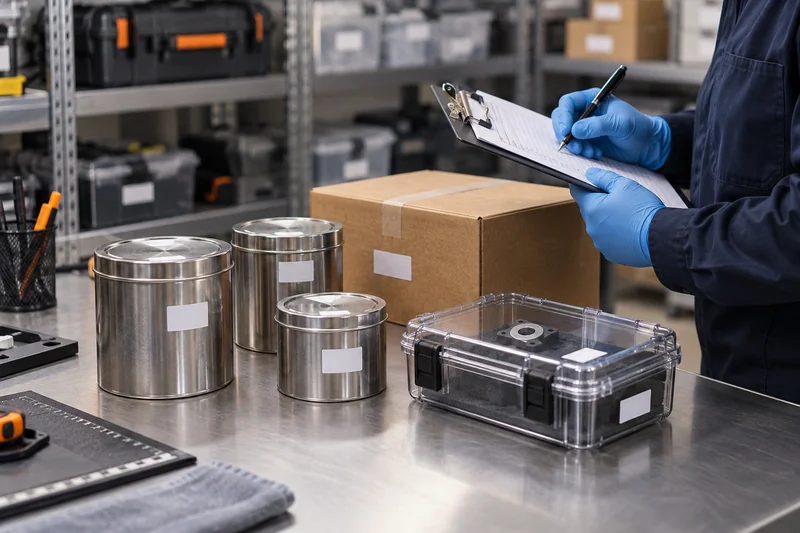
After a property loss, attention quickly turns to access, cleanup, and repairs. At the same time, a damaged component or a record of its original location may be important to understanding what happened.
Evidence preservation is part of keeping that information available for examination. Early discussion among the people coordinating the property, the investigation, and the work can help clarify what needs attention before conditions change.
Preserve context as well as the item
A retained item is more useful when its identity and history are documented. Information about where it was found, its condition, and who collected it helps connect it to the investigation. The National Institute of Justice’s archived fire investigation guide explains the importance of documenting evidence locations and maintaining records of custody transfers.
For example, imagine a removed appliance sitting in storage with no record of which room it came from or who moved it. Keeping the appliance answers one question: whether it is still available. It leaves other questions about its history unresolved. This is an illustrative example, but it shows why storage and documentation belong together.
Coordinate before planned removal
If an investigation is being considered, tell the investigator about scheduled cleanup, demolition, or component replacement. Ask which materials and records may need attention, who will handle them, and how that work will be documented.
Preservation planning must fit around necessary safety measures and urgent work to limit further damage. Do not enter an unsafe area or delay emergency action to retrieve an item. Where immediate work is necessary, the practical discussion is how the responsible professionals can document what occurs as conditions allow.
Let qualified personnel determine the handling method
Evidence does not all require the same collection or packaging approach. The International Association of Arson Investigators’ evidence collection guide provides different procedures for different evidence types and directs investigators to collection and scene-release checklists.
Avoid cleaning, taking apart, or experimenting with a potentially relevant component yourself. Ask the investigator for case-specific direction. A packaging method suitable for one item may be unsuitable for another, and the intended examination matters when deciding how it should be handled.
Ask clear questions about custody and storage
Chain of custody is the documented record of an item’s collection and subsequent transfers. NIJ’s archived guidance describes recording identifying details, the collector, transfer recipients, and the item’s final disposition.
For the person managing an assignment, useful questions include:
- Which items are being retained, and how are they identified?
- Who is responsible for collection, transport, and storage?
- Who should be contacted about a proposed examination or transfer?
- How will decisions about continued retention or release be communicated?
Confirm these arrangements for the specific assignment. Avoid assuming that everyone involved has received the same instructions or knows where an item is being held.
Keep communication organized
Maintain a central list of contacts and records associated with the investigation. Share updates when schedules change, additional materials are located, or a new examination is proposed. Clear communication gives the team a chance to address preservation questions while there is still an opportunity to do so.
Advanced Analysis offers in-house evidence storage and preservation alongside property loss investigation services. Call 877-436-5830 or email info@advancedanalysis.net to discuss evidence needs for your assignment.