
A recurring leak, an unresolved building concern, or damage noticed after construction can leave property owners with difficult questions. Is the condition connected to the original work? Did later changes play a role? What information is needed before another repair is planned?
A construction defect investigation can help examine those questions. The starting point is a suspected problem that needs evaluation; the description of the concern should not predetermine the finding.
Start with the observed condition
Describe what you see, where it occurs, and when it was first noticed. Keep that description separate from an explanation of why you believe it happened.
For example, “water staining returns at the lower corner of the living-room window after rain” identifies a condition to investigate. Calling it “an improperly installed window” adds a conclusion that still needs support. An accurate initial description helps everyone focus on the same question.
This distinction also makes communication easier when several people are involved. A property manager, contractor, owner, and investigator may use different terms for the same feature. Photographs and a clear location description can help establish a shared reference.
Understand why connections between materials matter
Building components work together. In an exterior wall, cladding, water-resistive barriers, flashing, and drainage details all contribute to moisture management. The Whole Building Design Guide’s residential enclosure guidance explains why exterior cladding needs a water-resistive barrier and why water management must account for moisture passing the outer surface.
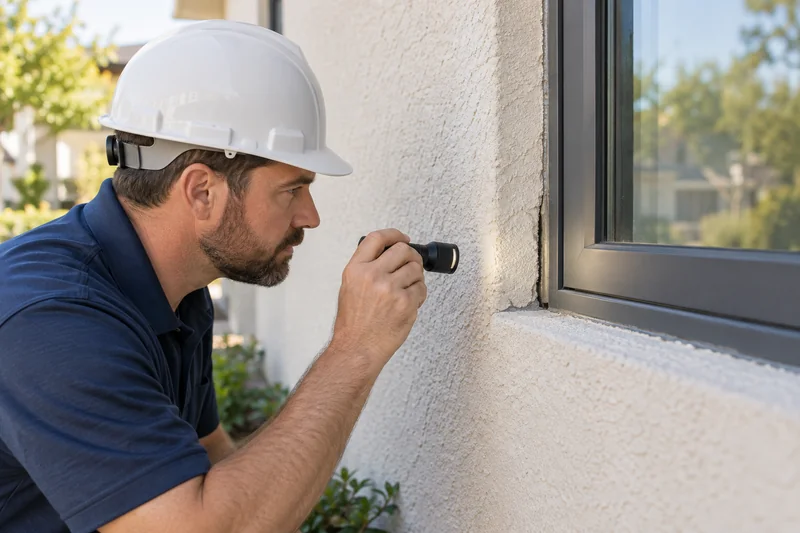
This makes interfaces, such as the connection between a wall and window, useful subjects for examination when the reported concern involves water intrusion. A visible stain alone does not establish which detail is responsible or whether construction is the cause.
Recognize when a closer look may be useful
Consider discussing an investigation when the same concern returns after repairs, when the explanation for the damage is unclear, or when different people have offered conflicting accounts. A focused inquiry can help define what is known and which questions remain unanswered.
An investigation does not need to begin with a broad allegation about the entire building. A more useful starting point may be a specific location, a documented sequence of events, and a clearly stated question. The proposed scope can then be discussed in relation to that concern.
Gather the building’s history
Relevant records may already be held by the owner, property manager, or project team. Ask about the availability of:
- Plans, specifications, and records of construction or alteration work.
- Product information and installation documents for relevant components.
- Inspection reports and photographs taken during construction or repairs.
- Maintenance records and a dated history of the reported condition.
Identify gaps in the records rather than filling them with assumptions. If earlier work is described only in an email or a conversation, make its source clear. Share both records supporting your initial concern and information that may point toward another explanation.
Define a useful outcome
Before the examination, discuss the questions to be addressed and what the proposed report will cover. Ask how findings, limitations, and any need for further evaluation will be communicated. If a specific repair question falls outside the assignment, clarify who will address it.
Advanced Analysis provides construction defect investigations, detailed analysis, and documentation of property damage. Our goal is to give clients accurate, unbiased findings they can understand.
Call 877-436-5830 or email info@advancedanalysis.net to discuss your property’s condition and the questions you need answered.