
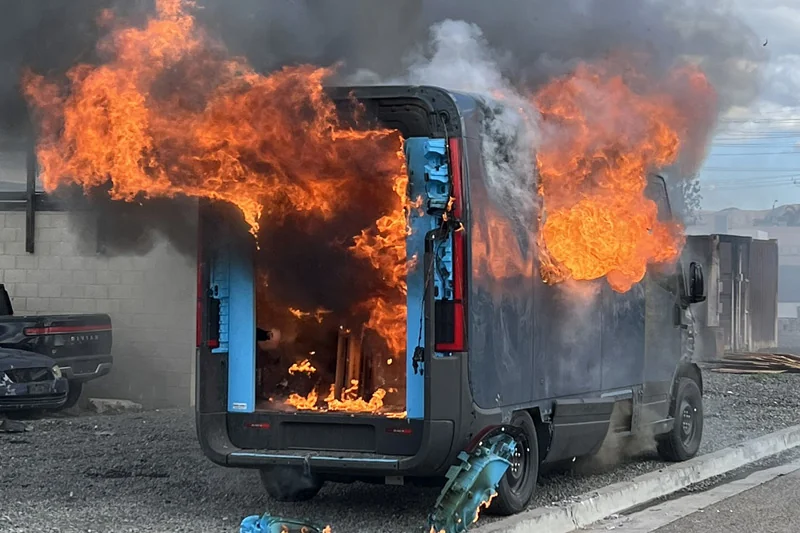
After a fire, property owners and insurance professionals face questions that extend beyond the visible damage. Where did the fire begin? How did it start? What information is still available to help explain the loss?
A fire origin and cause investigation addresses those questions through examination and analysis. Knowing what to discuss before the investigation begins can help you organize the assignment and understand the resulting report.
Understanding origin and cause
The origin is where a fire started. The cause concerns how ignition occurred. Investigators evaluate available information, develop possible explanations, and test those explanations against the evidence. A conclusion must reflect what the evidence supports; sometimes the available information does not establish a cause. This scientific approach is discussed in the OSAC fire investigation guidance hosted by NIST.
An examination may include scene photography, measurements, witness information, and review of relevant records. Depending on the evidence and scope, further work may involve collecting items or arranging specialist analysis. The site visit is one part of the process; evaluation can continue as additional information becomes available.
For a client, a useful explanation makes clear what was examined, how the findings were reached, and what remains uncertain.
Begin with a clearly defined assignment
When requesting an investigation, describe the property, the incident, and the questions you need addressed. Explain whether the loss involves a building, vehicle, vessel, or wildland area, and identify the person coordinating access.
It is also helpful to explain the status of the property. Has an inspection already occurred? Has cleanup started? Are repairs scheduled? Are other professionals involved? Sharing that context gives the investigator a more complete picture of the assignment before the site visit is arranged.
Ask what is included in the proposed scope and how additional work would be discussed. The initial site examination and any later testing or consultation should be understood as parts of an agreed assignment, with expectations established at the outset.
Prepare the information you already have
You do not need to identify the cause yourself before making contact. A useful starting packet can include:
- The property address, incident date, and a brief description of the loss.
- Contact details for the person arranging authorized site access.
- Existing photographs, incident records, and relevant service or repair documents.
- A list of work already completed and any upcoming cleanup or repair dates.
Indicate which information comes from your own observations and which was provided by someone else. If a detail is uncertain, label it that way. A short, organized account is more useful than a confident guess.
Discuss the report and follow-up
Before work begins, ask how findings will be communicated and who should receive the report. If you need an explanation of a technical term or a photograph, include that in the follow-up discussion. A useful report should let the reader follow the reasoning, including the information used and the limits of the conclusions. OSAC’s technical guidance emphasizes this transparency in reporting.
The report may also identify questions requiring additional information. Ask which issues are resolved, which remain open, and what further work, if any, is proposed.
Discuss a fire investigation with Advanced Analysis
Advanced Analysis provides fire origin and cause investigations involving structures, vehicles, vessels, and wildland fires. Our focus is accurate, unbiased analysis and clear documentation.
To discuss an assignment, call 877-436-5830 or email info@advancedanalysis.net. Share the type of loss and the questions you need addressed so our team can discuss the appropriate next steps.